2026-11-03 · Carlos Rivera
Handling Water Damage After Heavy Rains in San Antonio
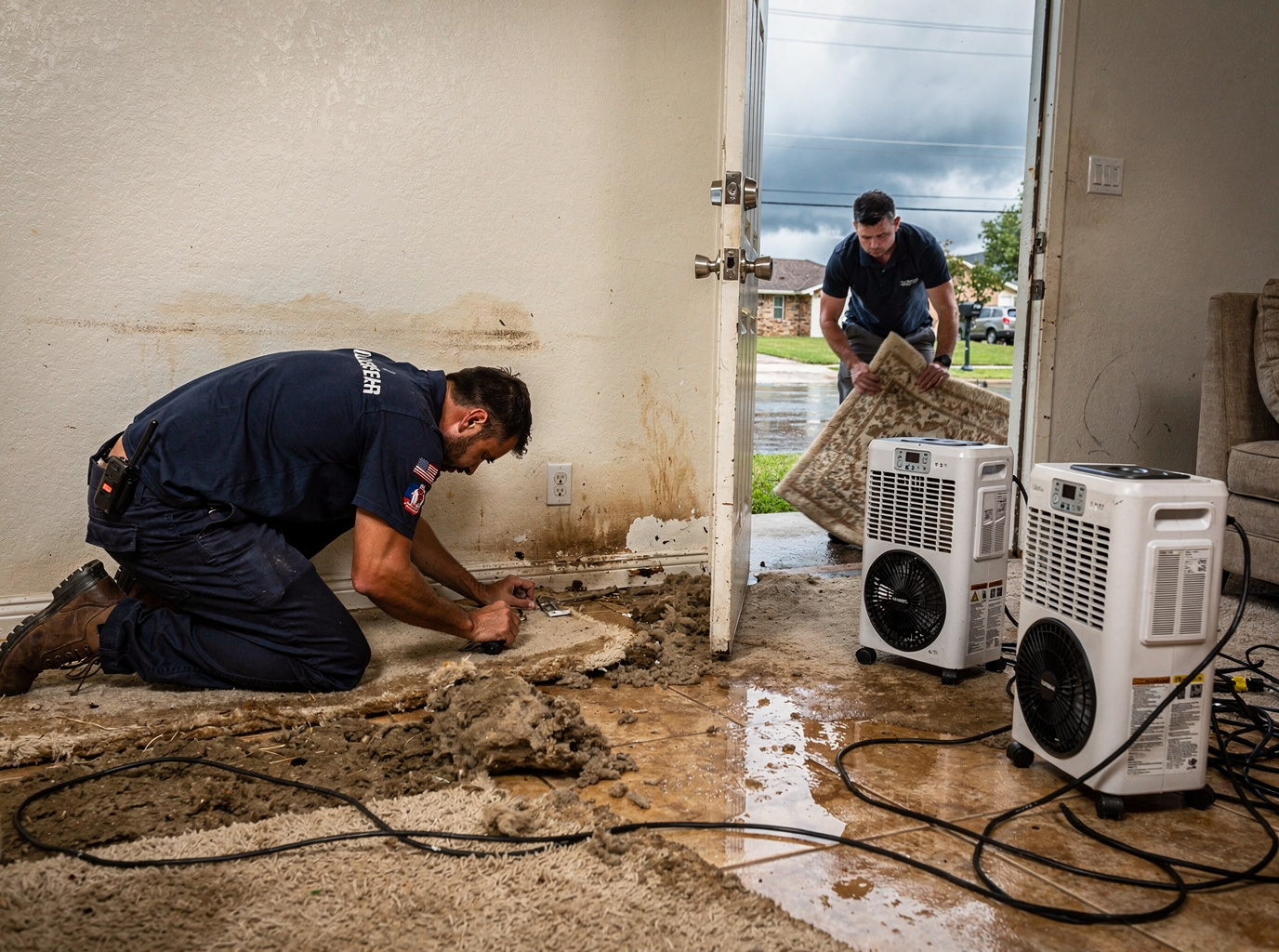
After heavy rains in San Antonio, begin by shutting off power to affected areas and removing standing water within the first 24 to 48 hours to limit mold growth in Bexar County homes. Older housing stock in neighborhoods like King William and Southtown often features pier-and-beam foundations that trap moisture longer than slab homes, while Downtown properties near the River Walk face additional runoff from paved surfaces. Mild winters allow slow drying but hot summers accelerate mold once temperatures rise above 80 degrees.
Assessing Damage in Local Homes
Walk through each room and check walls up to 18 inches above the water line because moisture wicks upward in the plaster and drywall common in Alamo Heights residences built before 1960. Lift carpet edges in Southtown bungalows and inspect subfloors for buckling, then use a moisture meter on wooden beams in King William homes where original hardwood can swell and separate. Document every affected area with photos before any cleanup begins so insurance claims move faster for properties near the San Antonio Zoo that see frequent flash flooding from nearby creeks.
Removing Water and Initial Cleanup
Extract water using submersible pumps on ground floors of Downtown buildings where basements are rare but street flooding enters through doors. For Water Damage Restoration focus first on carpets and padding in living areas, then move to baseboards in kitchens where older tile grout in Bexar County homes already shows wear. Ventilate with fans placed at open windows facing prevailing winds, but avoid directing airflow toward unaffected rooms to prevent spreading damp air through the connected floor plans typical in Alamo Heights.
Drying and Monitoring Moisture
Run commercial dehumidifiers set to 45 percent relative humidity for at least 72 hours in rooms with wooden floors, checking readings twice daily because San Antonio’s mild winters keep ambient humidity elevated. Hidden pockets behind cabinets in King William kitchens often stay wet longest, so pull appliances away from walls and monitor with infrared cameras if available. Homeowners in Southtown can speed drying by removing furniture cushions and opening interior doors, yet persistent readings above 15 percent on drywall require professional equipment to avoid long-term structural issues.
Preventing Mold in Humid Conditions
San Antonio’s hot summers create ideal mold conditions once water sits longer than 48 hours, particularly in Southtown homes with limited attic ventilation. Clean non-porous surfaces with a detergent solution, then apply an antimicrobial treatment only after surfaces test dry. Check insulation in exterior walls of Alamo Heights properties because cellulose material holds moisture against studs and promotes hidden growth that later affects indoor air quality.
When to Call Specialists
Contact professionals if water reaches electrical outlets or HVAC systems, common in Downtown buildings where mechanical rooms sit below grade. For deeper guidance on locating hidden moisture in older San Antonio homes, review Spotting Hidden Moisture in Older San Antonio Homes. Properties in King William with repeated rain events may also need evaluation of Water Damage Repair options that address foundation drainage rather than surface symptoms alone.
Planning for Future Storms
Improve grading around foundations in Alamo Heights yards so water flows away from piers, and clear gutters before each rainy season to reduce overflow onto older roofs. Residents near the River Walk benefit from checking alley drains that often clog with debris after storms. Understanding local cost variables helps homeowners budget; see What Influences Water Damage Restoration Costs Locally for details on material and labor factors in Bexar County.
San Antonio Water Damage Restoration operates from 226 College St, San Antonio, TX 78205 with hours Monday through Friday 8am to 6pm and Saturday 9am to 2pm. Owners in affected neighborhoods can request an on-site assessment to confirm drying progress before final repairs begin.