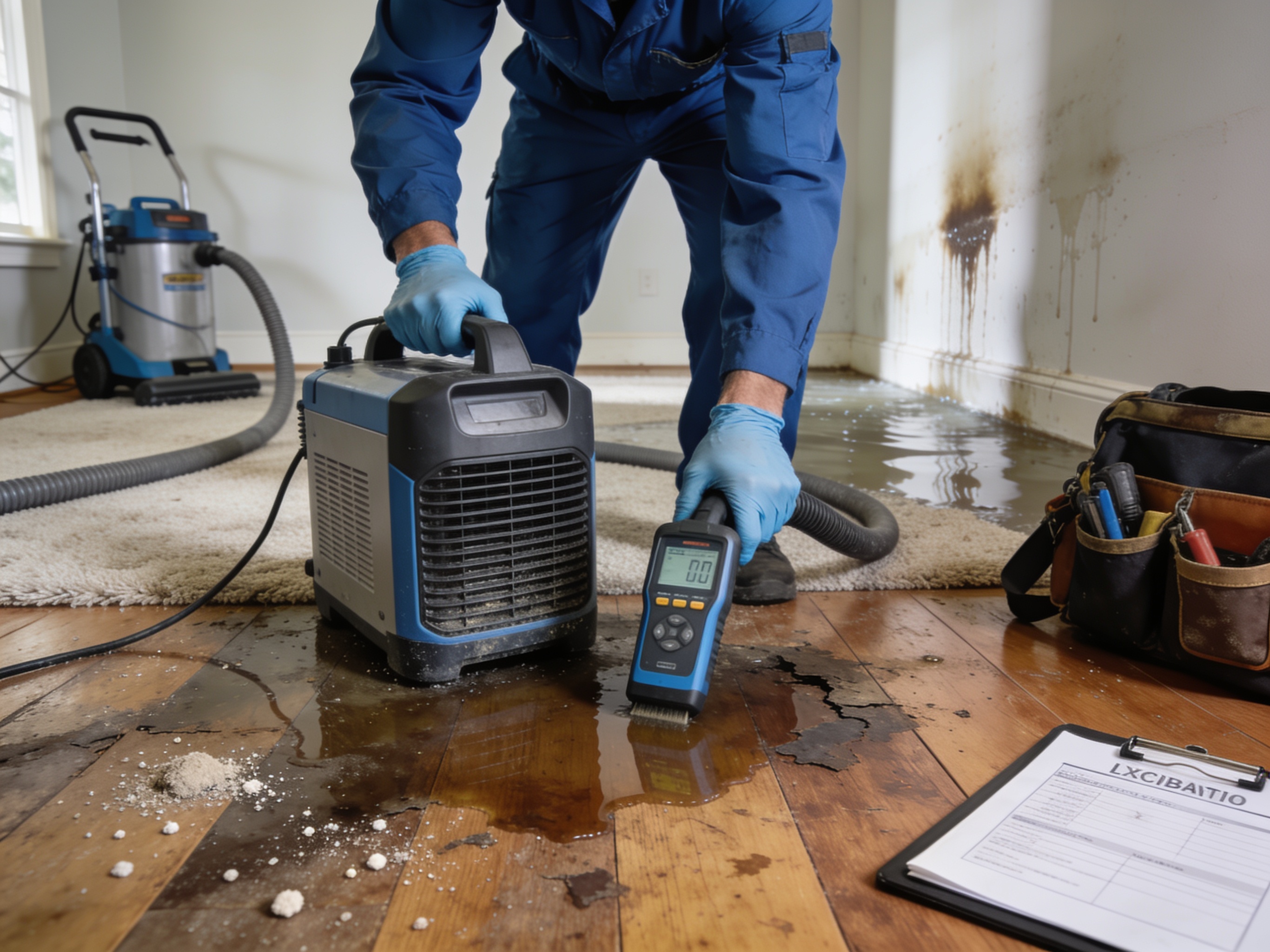
Grey Forest sits on hilly, wooded lots northwest of San Antonio where summer thunderstorms send water racing down slopes and collecting against foundations. San Antonio Water Damage Restoration responds from 226 College St with equipment sized for these narrow access roads and older single-story homes built on piers or slabs. Crews focus on rapid extraction to limit migration into crawlspaces common throughout the neighborhood.
Mild winters here rarely freeze pipes, yet the same hot, humid summers that keep the River Walk busy also speed mold growth after any leak or roof breach. Our teams map moisture in attics and under pier-and-beam floors typical of Grey Forest properties, then set drying zones that respect the dense tree cover limiting airflow. Homeowners along FM 1560 and surrounding streets receive written drying logs before work begins.
Because Grey Forest lots often back up to drainage draws feeding Helotes Creek, even moderate rain can push water under garages and into utility rooms. We stage dehumidifiers and air movers through side gates rather than main drives to avoid damaging gravel or caliche surfaces. Every job ends with a walkthrough confirming hidden pockets behind kitchen cabinets or in laundry rooms are dry.
Around Grey Forest
We regularly work near:
- 📍Old Fredericksburg Road
- 📍Scenic Loop Road
- 📍FM 1560
- 📍Grey Forest City Hall
- 📍Grey Forest Community Park
Water Damage Restoration in Grey Forest — Local Notes
- •Hilly terrain funnels runoff into low pockets around pier-and-beam homes, so extraction must reach under floor joists before mold sets in during humid summers.
- •Narrow winding roads like portions of Old Fredericksburg Road require smaller vans and advance notice for larger drying equipment to reach properties without delay.
- •Many Grey Forest homes sit on larger wooded lots with limited side access, forcing crews to carry equipment through gates or across lawns rather than driveways.
- •Older construction with crawlspaces and minimal grading around slabs means hidden moisture often lingers near plumbing penetrations after heavy rains.